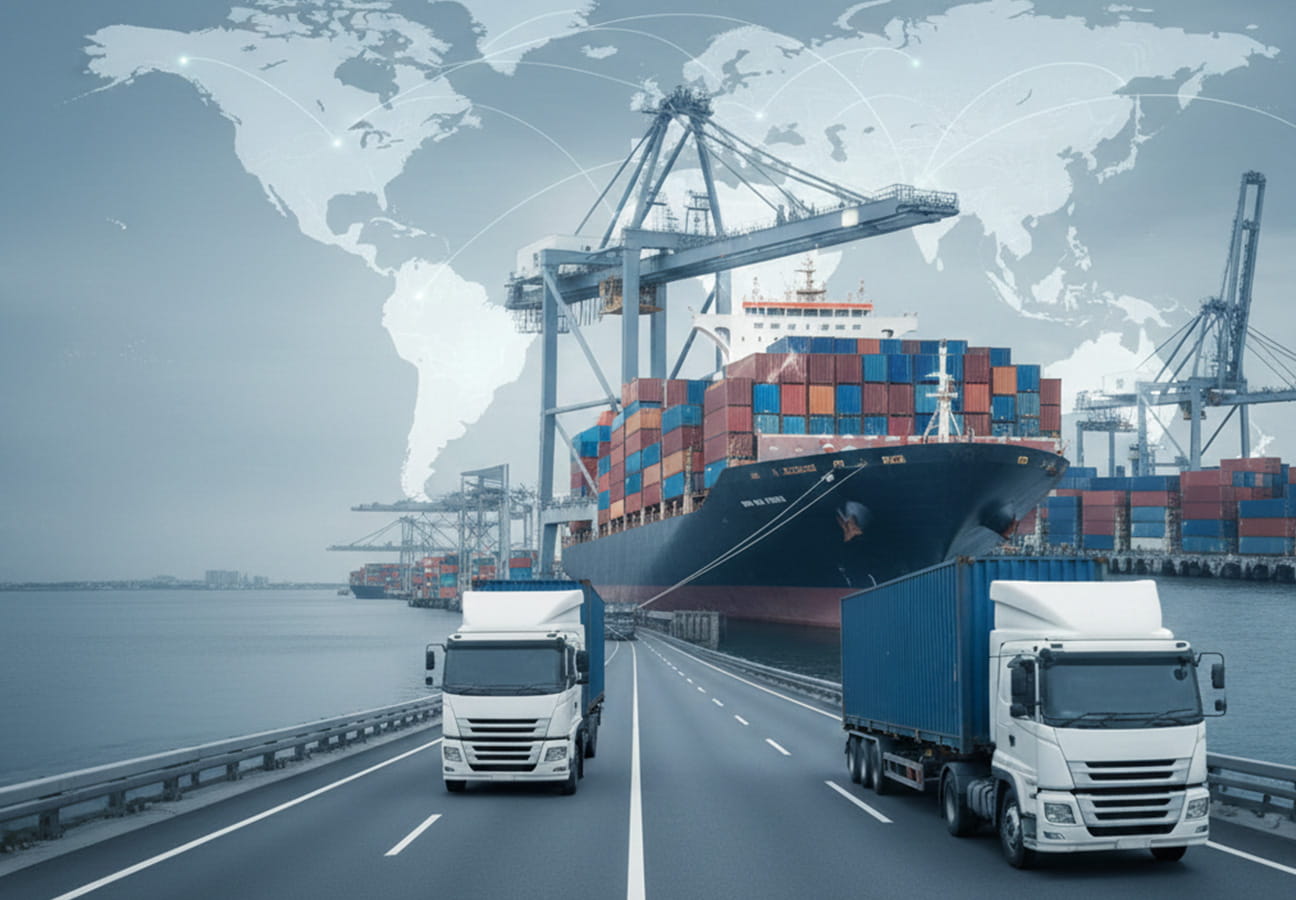
In today’s interconnected world, businesses rely on efficient global supply chains to stay competitive. From sourcing raw materials to delivering finished goods across continents, every step must run smoothly. This is where freight forwarding plays a vital role.
Freight forwarding is more than just shipping goods from one country to another — it’s about managing logistics strategically to ensure speed, compliance, and cost efficiency.
At MA Global Shipping, we help businesses streamline their international operations through professional freight forwarding solutions. Here’s how freight forwarding strengthens and simplifies global supply chains.
1. Centralized Logistics Management
A global supply chain involves multiple players:
- Suppliers
- Carriers
- Customs authorities
- Warehouses
- Distributors
Freight forwarders act as a single point of coordination, managing all these moving parts efficiently. Instead of dealing with multiple service providers, businesses work with one logistics partner who oversees the entire shipping process.
Result: Reduced complexity, improved efficiency, and fewer operational errors.
2. Optimized Transportation Planning
Freight forwarders analyze:
- Shipping routes
- Transit times
- Carrier reliability
- Cost structures
By selecting the most efficient combination of sea, air, rail, or road transport, they ensure goods reach their destination on time and within budget.
Result: Faster deliveries and better cost control.
3. Customs Compliance & Documentation Expertise
International trade requires precise documentation and regulatory compliance. Errors in paperwork can lead to delays, penalties, or cargo holds.
Freight forwarders handle:
- Commercial invoices
- Bills of lading
- Packing lists
- Certificates of origin
- HS code classifications
Their expertise ensures smooth customs clearance across borders.
Result: Reduced delays and lower compliance risks.
4. Real-Time Tracking & Visibility
Modern freight forwarding services use advanced tracking systems that provide real-time shipment updates.
This allows businesses to:
- Monitor cargo movement
- Anticipate potential delays
- Inform customers proactively
- Adjust inventory planning
Result: Improved transparency and better supply chain decision-making.
5. Risk Management & Cargo Protection
Global shipping involves risks such as:
- Weather disruptions
- Port congestion
- Cargo damage
- Political instability
Freight forwarders mitigate these risks by:
- Securing cargo insurance
- Offering alternative route planning
- Managing contingency strategies
- Ensuring proper packaging and handling
Result: Greater reliability and reduced financial exposure.
6. Cost Efficiency Through Volume & Negotiation Power
Established freight forwarders have strong relationships with carriers and shipping lines. Because of their shipment volumes, they can negotiate better freight rates than individual businesses.
Result: Lower shipping costs and improved profit margins.
7. Scalability for Growing Businesses
As businesses expand into new markets, logistics becomes more complex. Freight forwarders provide scalable solutions that adapt to increasing shipment volumes and new international destinations.
Result: Seamless growth without operational chaos.
Final Thoughts
A well-managed global supply chain is essential for business success. Freight forwarding simplifies complex international logistics by centralizing coordination, ensuring compliance, managing risks, and optimizing transportation routes.
Instead of navigating global trade challenges alone, businesses benefit from experienced logistics partners who handle the operational complexities.
At MA Global Shipping, we streamline your global supply chain with reliable, transparent, and efficient freight forwarding services — helping your business move forward without disruption.


Leave a comment